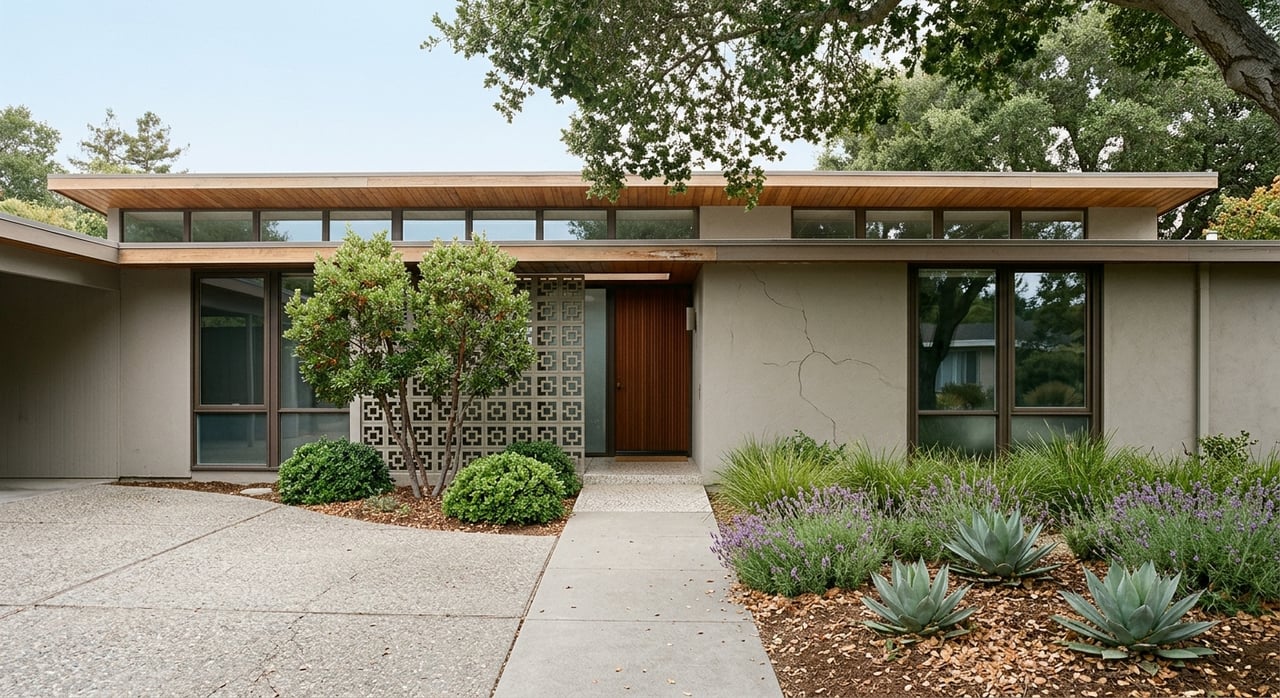
Buying your first home in Palo Alto can feel like stepping into the deep end of the pool. Prices are high, listings can move fast, and once the right home appears, you may need to act quickly and with confidence. The good news is that a clear plan can make the process far more manageable. In this guide, you’ll learn what to expect from the moment you prepare to write an offer to the day you get the keys. Let’s dive in.
Understand Palo Alto’s pace
Palo Alto is a high-cost market, and it also tends to move quickly. In March 2026, the median sale price was about $3.535 million, homes sold in about 10 days on average, and listings received about 3 offers on average.
For you as a first-time buyer, that means preparation matters just as much as interest. If you wait to organize financing, clarify your budget, or choose representation until after you find a home you love, you may already be behind.
Set your budget early
Before you tour seriously, get clear on what you can comfortably spend. California’s Department of Real Estate says buyers commonly need 5% to 20% down, plus another 3% to 7% of the purchase price for closing costs.
Some low- and no-down-payment programs may be available, and a 20% down payment can strengthen a loan application. Still, the right number for you depends on your monthly comfort level, reserves, and how competitive you want your financing profile to look.
Cash to plan for
As a practical starting point, you should be ready to think about:
- Your down payment
- Closing costs
- Earnest money deposit
- Inspection-related costs
- Moving expenses
- Cash reserves after closing
If you are buying in Palo Alto, this step deserves extra attention. At this price point, even percentages that sound small can translate into significant dollar amounts.
Get preapproved before you shop
A preapproval letter is one of the first pieces of serious preparation. Lenders typically check your credit before issuing one, and those letters often expire after 30 to 60 days.
That matters in a market like Palo Alto, where homes can go pending quickly. If your preapproval is current and your documents are ready, you can make a decision faster when the right opportunity appears.
Why preapproval helps
A current preapproval can help you:
- Understand your likely price range
- Narrow your home search
- Show sellers you are financially prepared
- Move faster when it is time to submit an offer
After you have an accepted offer, you can compare official Loan Estimates carefully. That is an important step in reviewing your financing terms and costs.
Choose representation with clarity
In California, buyers should interview several agents and verify license status before deciding who to work with. Just as important, as of January 1, 2025, a written buyer-broker representation agreement must be in place no later than execution of your offer.
California agency rules also require disclosure of whether the agent represents the buyer, the seller, or both. For a first-time buyer, this is not just paperwork. It is part of understanding who is advising you, what services are being provided, and how communication and strategy will work.
A calm, detail-oriented advisor can make a big difference in Palo Alto. In a market that rewards preparation, you want someone who can help you evaluate trade-offs, spot timing issues, and keep the process organized.
Write an offer with terms that fit your risk
Once you find the right property, the offer stage is where preparation turns into action. In California, your offer can include contingencies or special conditions such as loan approval, inspections, pest work, repairs, or a home warranty.
The key is to understand that your timeline is contractual. The California Department of Real Estate describes a common timeline of 3 days to deliver the deposit to escrow, 7 days to complete loan applications and verify funds, and 17 days to inspect and investigate. These periods can vary, and any changes must be made in writing.
Common offer terms to review
Your offer may address items such as:
- Purchase price
- Deposit amount
- Financing contingency
- Inspection contingency
- Requested repairs or credits
- Timing for closing
- Any property-specific conditions
Because Palo Alto homes often sell in about 10 days and attract multiple offers, the offer process is usually not slow or casual. You want your decisions made in advance so you can move with purpose.
Review disclosures carefully
Disclosures are a major part of the California buying process. Sellers must provide certain property information, and buyers need time to review it carefully.
One of the core forms is the Transfer Disclosure Statement. California law says it must be delivered as soon as practicable before transfer of title. If a disclosure or material amendment arrives after your offer is executed, you have a statutory right to terminate within 3 days of in-person delivery, 5 days of mail delivery, or 5 days of electronic delivery.
That timing matters. If new information appears after you are under contract, you may still have a window to reassess your decision.
Key disclosures to watch
Depending on the property, your review may include:
- Transfer Disclosure Statement
- Natural hazard disclosures
- Preliminary title report
- Inspection reports
- Seller-provided repair information
- HOA documents for condos or other common-interest properties
California natural hazard disclosures can identify whether a property is in a flood zone, very high fire severity zone, earthquake fault zone, seismic hazard zone, or wildland-fire area. These are not forms to skim. They are part of your risk review.
If the home was built before 1978, federal law also requires lead-based paint disclosure before the contract is signed. For older homes, this is an important part of understanding property condition and health-related information.
Understand what your agent sees and what inspections do
California law requires a buyer’s agent to perform a reasonably competent and diligent visual inspection and disclose material facts that are observable. That is helpful, but it does not replace your own inspections.
Inspections give you a deeper look at the home’s condition. They can help you understand major systems, deferred maintenance, and issues that may affect cost, safety, or future planning.
This is especially important for first-time buyers because it is easy to focus on finishes and layout while overlooking the systems behind the walls, under the roof, or beneath the home. A structured inspection period helps you make an informed decision.
Condos require extra document review
If you are buying a condo or another common-interest development in Palo Alto, expect a broader disclosure package. California law says buyers should receive HOA documents, assessment and fee information, rental restrictions, requested board minutes, and the latest inspection-related report.
That means your review goes beyond the unit itself. You are also evaluating the association’s rules, financial obligations, and the broader condition and management of the building or community.
Condo questions to ask
As you review the HOA package, focus on:
- Monthly dues
- Special assessments or planned increases
- Rental restrictions
- Rules that may affect your use of the property
- Board minutes that may reveal ongoing issues
- Recent inspection-related reports
For first-time condo buyers, this step can feel document-heavy. It is worth slowing down here, because the answers can affect both your day-to-day ownership and your long-term costs.
Read the preliminary title report closely
The preliminary title report is another document that deserves careful attention. In California, title companies identify ownership history and note liens, easements, and other encumbrances that may affect title.
If there are exceptions you do not want to accept, you need to object in writing. Otherwise, title will remain subject to those disclosed exceptions.
This is one of those steps that can feel technical at first, but it has real-world implications. It may affect how you use the property, what rights come with it, and what issues continue after closing.
Know what happens in escrow
In California, escrow is handled by a neutral third party. Escrow helps coordinate funds, documents, instructions, and the final steps needed to close the transaction.
This is the stage where many of the moving parts come together. Your lender finalizes the loan, disclosures are completed, title work moves forward, and closing figures are confirmed.
What typically happens during escrow
During escrow, you can expect to:
- Deliver your deposit on time
- Complete your loan application steps
- Review disclosures and reports
- Conduct inspections and investigations
- Review title matters
- Finalize insurance and lender conditions
- Prepare for signing and funding
For first-time buyers, escrow often feels busy because several deadlines may be running at once. A structured process and close tracking of dates can help keep everything on course.
Review your Closing Disclosure
Your lender must provide a Closing Disclosure at least three business days before closing. This gives you a short but important review window.
Use that time to compare the Closing Disclosure with your earlier Loan Estimate. You want to confirm that the key terms and costs match your expectations and ask questions if something appears different than expected.
This is not a step to rush through. The final numbers matter, and this review helps you avoid surprises right before closing.
Understand local transfer taxes and recording items
In Palo Alto, closing costs can include local transfer taxes tied to recording the deed. Santa Clara County charges a documentary transfer tax of $0.55 per $500, and Palo Alto also charges a city conveyance tax of $1.65 per $500.
Using Palo Alto’s March 2026 median sale price of $3.535 million, the combined transfer taxes would be about $15,554. In any individual transaction, how costs are allocated should be confirmed in the contract and closing figures.
Santa Clara County also requires a Preliminary Change of Ownership Report for deeds and for agreements or contracts of sale affecting real property. If that form is missing or incomplete, the county charges a $20 fee.
From recording to getting the keys
Once escrow closes and the deed is recorded, the transaction is complete. That is the legal finish line.
From there, possession follows the terms of your contract. In many cases, that is when you receive the keys and can begin the practical move-in process.
For a first-time buyer, this moment feels big because it is the point where months of preparation, paperwork, and decision-making become real ownership. A well-managed transaction helps that final handoff feel clear instead of chaotic.
A steady plan makes a fast market easier
Buying your first home in Palo Alto is rarely casual, but it does not have to feel overwhelming. When you understand your budget, line up financing, review disclosures carefully, and stay on top of escrow deadlines, you give yourself a much better chance of moving from offer to keys with confidence.
If you want a calm, structured approach to buying in Palo Alto, Christopher Mogensen can help you prepare, evaluate options, and navigate each step with local insight and steady guidance.
FAQs
How much cash do first-time buyers need in Palo Alto?
- California’s Department of Real Estate says buyers commonly need 5% to 20% down plus 3% to 7% of the purchase price for closing costs.
How fast do homes move in Palo Alto?
- In March 2026, Palo Alto homes sold in about 10 days on average and received about 3 offers on average, so it helps to be fully prepared before you find a home you want.
What happens if Palo Alto seller disclosures arrive after my offer is accepted?
- California law gives buyers a statutory right to terminate if a disclosure or material amendment is delivered after offer execution, with timing based on how the disclosure is delivered.
What is different about buying a Palo Alto condo?
- Condo buyers should expect HOA documents, fee and assessment information, rental restrictions, requested board minutes, and the latest inspection-related report as part of the disclosure package.
What should buyers review in a Palo Alto preliminary title report?
- You should review ownership history, liens, encumbrances, and any title exceptions, and object in writing to exceptions you do not want to accept.
When do first-time buyers get the keys after closing in Palo Alto?
- Once escrow closes and the deed is recorded, the transaction is complete, and possession follows the terms of the contract.