Choosing a home in Palo Alto is not just about square footage or price. Here, architectural style often tells you how a house will feel day to day, how much upkeep it may need, and how flexible it may be if you want to remodel later. If you are trying to decide between a bungalow, an Eichler, or a newer contemporary home, understanding those differences can help you make a smarter move. Let’s dive in.
Why home style matters in Palo Alto
Palo Alto has a layered housing landscape rather than one uniform look. According to the city's historic and design guidance, older areas include Shingle, Arts and Crafts, Colonial Revival, Craftsman, and bungalow homes, while areas such as Crescent Park also feature Spanish Colonial Revival, Tudor, Norman, Monterey, and other period-revival styles. In later decades, the city added large Eichler neighborhoods, and the city notes that well over 2,000 Eichler homes are in Palo Alto, with Green Gables and Greenmeadow listed in the National Register of Historic Places.
That matters because style in Palo Alto often signals more than curb appeal. It can affect layout, natural light, privacy, maintenance demands, and what you may need to think through before a future addition or remodel. When you know what each style tends to mean in practice, you can compare homes more clearly.
Craftsman bungalows: charm and defined spaces
Many older Palo Alto bungalows reflect early 20th-century design. In the city's Professorville design guidelines, Craftsman bungalows are described as one-and-one-half stories with low-sloped gabled roofs, exposed rafters or brackets, porches, wood clapboard siding, and wood-sash windows.
For you as a buyer, that usually means a home with a more traditional feel. These homes often have a room-by-room layout rather than the open-plan flow many buyers expect from newer construction. Bungalow plans commonly separate living, sleeping, and service areas with hallways, so the home may feel more structured and private from room to room.
What daily living feels like in a bungalow
If you like cozy spaces, front porches, and a sense of definition between rooms, a bungalow may feel welcoming right away. These homes often create a strong connection to the street through the porch and front-facing design.
At the same time, if your priority is one large open kitchen-family room or seamless indoor-outdoor flow, a bungalow may feel less aligned with that goal. The appeal is often in the craftsmanship and scale, not in a broad open layout.
What upkeep to expect with older homes
Older bungalows often need close attention to exterior details. Wood trim, siding, porches, and older windows can all require regular maintenance over time.
The National Park Service guidance on preserving historic materials emphasizes regular maintenance, keeping durable materials in service, and repairing historic windows rather than replacing them when feasible. In practical terms, if you are buying an older Palo Alto bungalow, it helps to budget not just for the purchase but also for ongoing care.
Eichlers: light, openness, and indoor-outdoor living
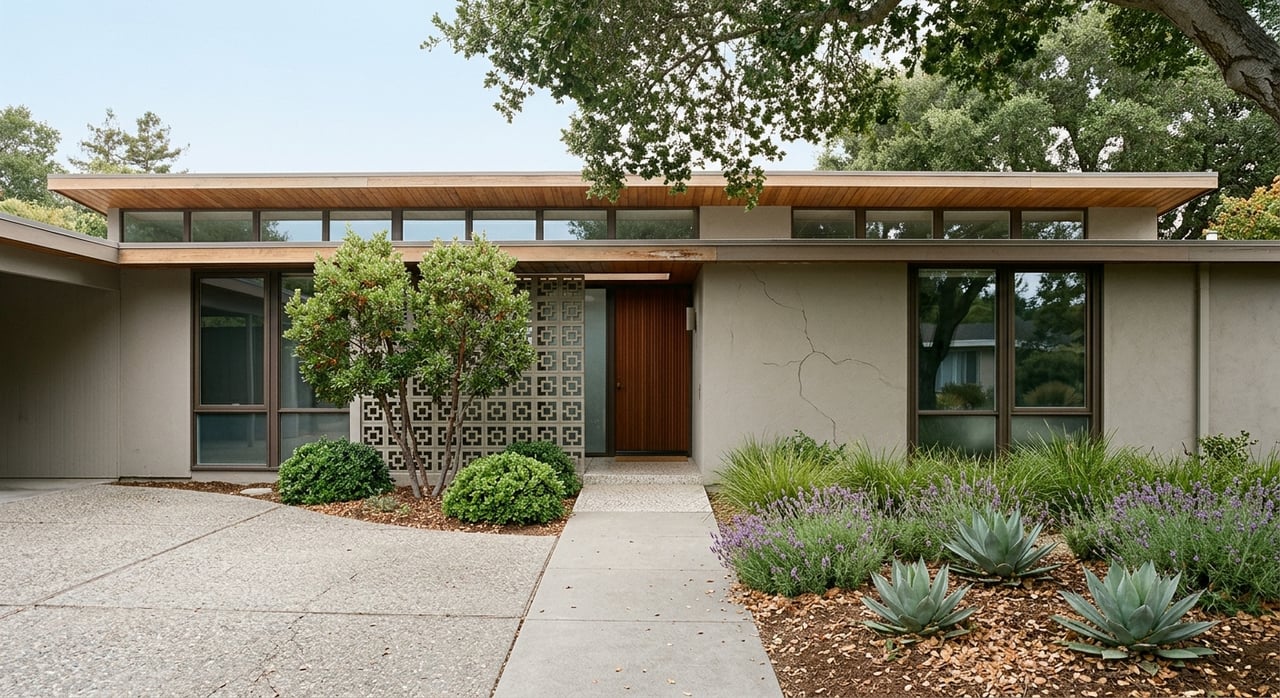
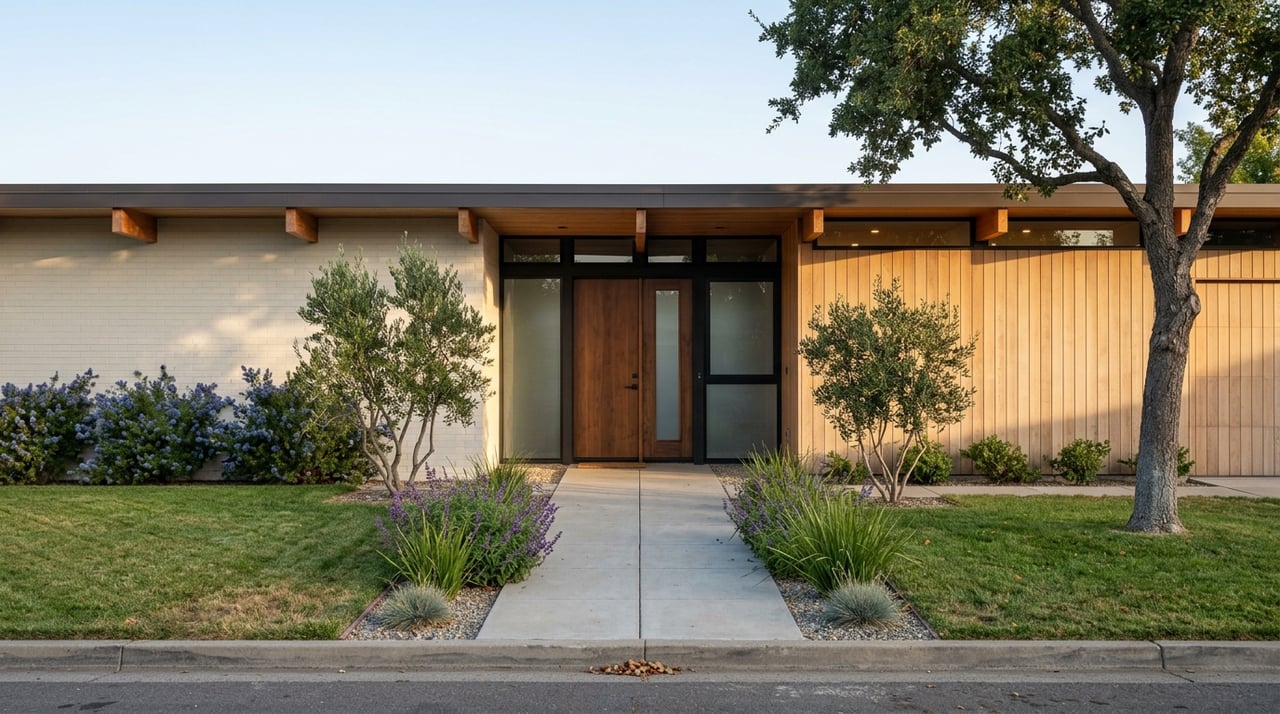
Eichlers are one of Palo Alto's signature postwar home types. In the city's Eichler neighborhood design guidelines, these homes are described as one-story houses with low-pitched flat, shed, or front-gabled roofs, broad overhangs, exposed beams or rafters, wood siding, clerestory windows, and entry courtyards or atria.
For many buyers, the big draw is how these homes live. Eichlers are known for open floor plans, large rear windows, and a strong indoor-outdoor connection. The city notes that owners value the light, trees, and sky brought into the home through that design.
What daily living feels like in an Eichler
If you want openness and natural light, Eichlers often stand out quickly. The layout tends to feel more connected, and the backyard relationship is often more intentional than in older homes.
That rear-glass orientation can also support privacy in the backyard, which many buyers appreciate. But it also means design changes, new windows, or additions can affect privacy faster than you might expect, both for you and for nearby homes.
What upkeep to expect with an Eichler
Eichlers can offer a great design experience, but they also tend to be more maintenance-sensitive. The city specifically flags recurring issues such as flat roofs prone to leaks, foundations without crawl spaces, single-pane glass, lack of insulation, inefficient radiant heat, nonstandard siding, and carports instead of integral garages.
That does not mean you should avoid an Eichler. It means you should evaluate one with clear eyes. If you love the architecture, it is smart to look closely at roof condition, heating performance, glazing, and prior improvements so you understand both lifestyle benefits and long-term costs.
Contemporary homes: flexibility with constraints
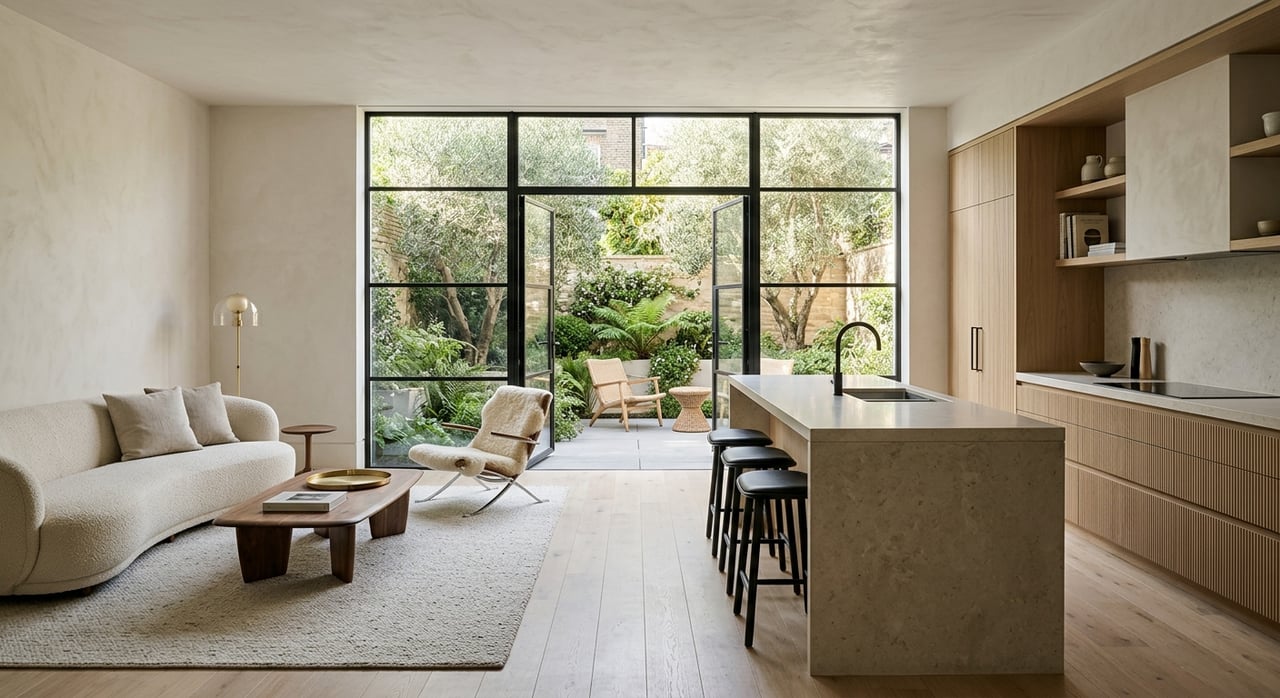
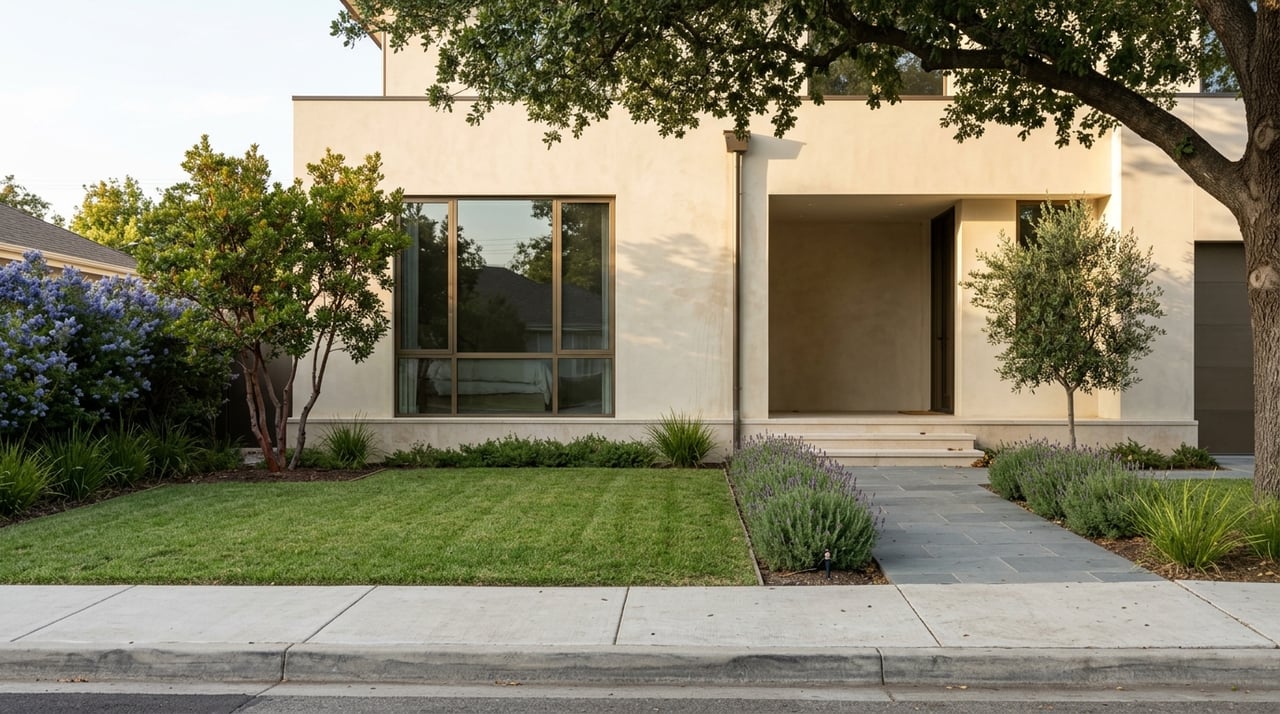
Palo Alto also has contemporary homes and Eichler-inspired newer infill that draw from modern design language. The city's Eichler preservation guidance explains that in Eichler areas, new work can be modern or contemporary if it respects neighborhood massing, roof form, materials, and cohesion.
That gives newer homes more flexibility in appearance and function, but not without limits. The city's review framework focuses on height, mass, scale, roof lines, and privacy, so a home is judged less by whether it mimics the past and more by whether it fits well with surrounding properties.
What that means if you want to remodel
If you are considering a home for future renovation or expansion, style and location within Palo Alto both matter. The city notes that some Eichler tracts are within National Register historic districts or Single Story Overlay districts, and that can make compatibility and preservation questions more important.
The practical takeaway is simple: before you assume a home can be expanded in the way you want, it is worth understanding the local context. In Palo Alto, planning for an addition is often about more than lot size. It can also involve roof lines, privacy impacts, neighborhood character, and how the proposed massing reads from the street.
Comparing Palo Alto home styles at a glance
If you are sorting through options, these are often the biggest practical differences:
- Bungalows usually feel more traditional and compartmentalized.
- Eichlers are often the most open and light-filled.
- Older homes often come with more exterior detail maintenance.
- Eichlers often require extra attention to roofs, glass, insulation, and heating systems.
- Contemporary homes may offer more layout flexibility, but design compatibility and privacy planning still matter.
In other words, style in Palo Alto is a shortcut to how a home may function. It can give you early clues about whether a house matches your priorities for light, layout, maintenance, and future potential.
How to use style in your home search
When you tour homes in Palo Alto, it helps to evaluate architecture as a decision tool rather than just a design preference. Ask yourself a few practical questions:
- Do you want open sight lines or more separation between rooms?
- How much natural light matters to you day to day?
- Are you comfortable with ongoing upkeep tied to older materials or specialty features?
- Do you want a home you can likely adapt over time, and if so, what local design constraints might come into play?
These questions can save you time. A home that looks appealing online may not align with how you actually want to live once you understand what the style tends to imply.
A practical approach for buyers
In a market like Palo Alto, details matter. Home style can shape not only your day-to-day experience, but also your inspection strategy, renovation planning, and long-term ownership costs.
That is why local context is so important. If you want help weighing the trade-offs between an older bungalow, a classic Eichler, or a newer contemporary home, working with someone who understands both neighborhood patterns and city processes can make the decision much clearer. If you are planning your next move in Palo Alto or elsewhere on the Mid-Peninsula, Christopher Mogensen can help you evaluate the real-world pros, constraints, and opportunities behind each home style.
FAQs
What do Eichler homes in Palo Alto usually offer buyers?
- Eichler homes in Palo Alto usually offer open floor plans, strong natural light, clerestory windows, and a close indoor-outdoor connection.
What should buyers know about Palo Alto bungalow layouts?
- Palo Alto bungalows often have a more traditional, room-by-room layout with hallways separating living, sleeping, and service areas.
What maintenance issues are common in Palo Alto Eichler homes?
- Common Eichler maintenance concerns include flat roofs, single-pane glass, limited insulation, radiant heat efficiency, and foundations without crawl spaces.
What should buyers consider before remodeling a Palo Alto home?
- Buyers should consider neighborhood context, privacy impacts, roof lines, massing, and whether the property may fall within areas where compatibility or preservation questions matter more.
Why does architectural style matter when buying a Palo Alto home?
- Architectural style can signal how a home will live day to day, how much light and privacy it may offer, what upkeep it may need, and how flexible it may be for future changes.