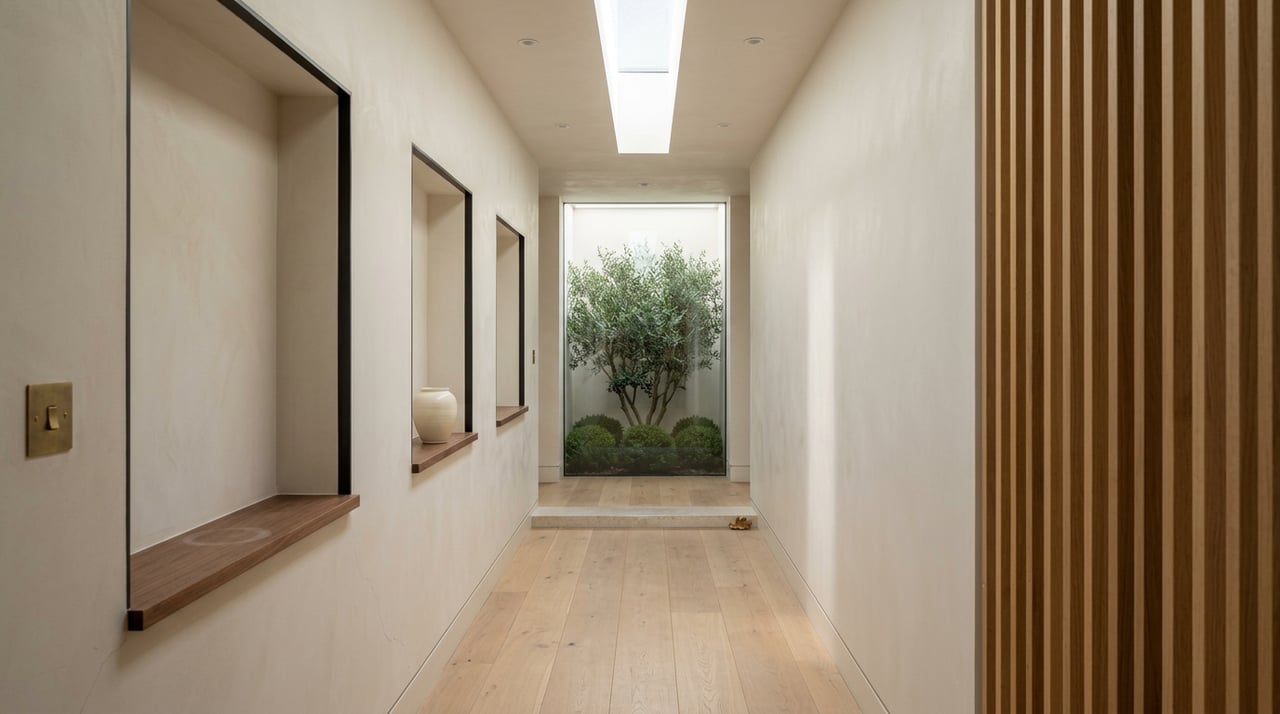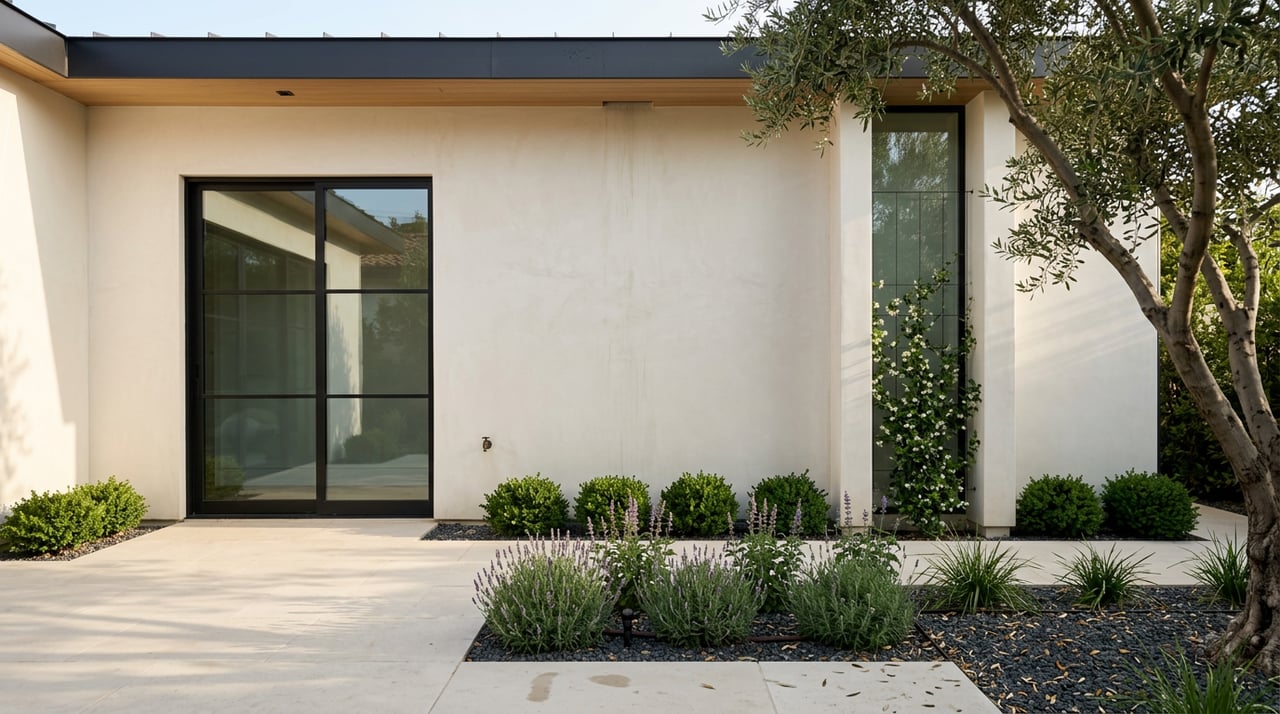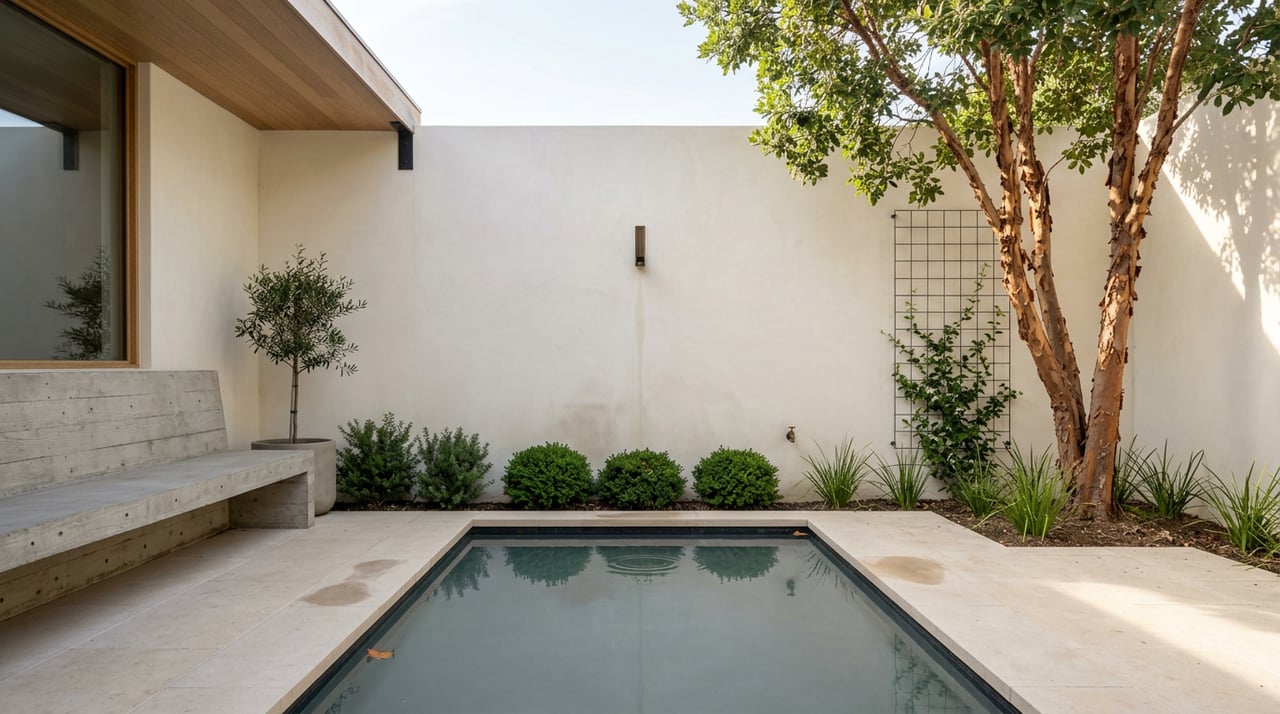
On the evening of May 28, a crowd gathered outside Joanie's Café for the first installment of Thursday Live, a new monthly concert series the city had just approved for the car-free stretch of California Avenue. Guitars, kids running between planters, a council member or two working the crowd. City Manager Ed Shikada's office had spent the spring calling this stretch of street Palo Alto's "second downtown," and for one evening, it looked the part.
But watch what the city actually decided in the months around that concert, and a different story shows up. Every rule change approved for California Avenue this year, the parklets, the bike lanes, the alcohol pilot, quietly walked back the flashier version of the street in favor of the one that already existed: a place people bike to for coffee beans and hardware, not a nightlife district. The branding says destination. The paperwork says errand strip.
Two Versions of the Same Six Blocks
California Avenue runs from El Camino Real to Park Boulevard, bounded by Sheridan and Cambridge, a district that started life in 1855 as the town of Mayfield before Palo Alto annexed it in 1925. It went car-free in June 2020 as a pandemic measure and became permanently pedestrian in 2023. Since then, city hall has pushed a consistent narrative: this is the corridor that becomes Palo Alto's answer to a proper commercial main street, with concerts, covered dining, and eventually drinks in hand.
Ask a longtime resident what the street is actually for, and you get a different list. One comment on a Palo Alto Online piece about the new rules described a weekly loop: bike to Zombie Runner for beans, Country Sun for bagels and bulk spices, Izzy's for bagel flats, Cal Ave Hardware for whatever broke that week, Nito for a workout. Country Sun almost closed a few years back and didn't. Antonio's Nuthouse and Printers Café didn't survive the same stretch of years. The street has been losing and gaining tenants in roughly equal measure while residents kept using it the same way they always had, as a corridor for stuff, not a corridor for scenes.
What the City Actually Approved on Parklets
The clearest evidence of that walk-back is the parklet fight. The city's first attempt at redesigning outdoor dining structures called for open tables and umbrellas, a clean look meant to read as a proper paseo. It died months later after restaurant owners pointed out, correctly, that Palo Alto has weather, and customers do not sit outside in the rain without a roof over them.
| What was proposed first | What the council actually approved | Why it changed |
|---|---|---|
| Open tables and umbrellas, no walls or roofs | Three covered models, including a cabana with a sloped roof and overhangs, and a pergola with a flat roof | Restaurant owners said the open version doesn't survive Palo Alto's rain and cold |
| A two-way bike lane down the center of the street | Thermoplastic traffic-calming bands that let cyclists through but slow them | Merchants worried a dedicated lane would encourage speeding through what's supposed to be a walking street |
The city council signed off on the new parklet standards on June 1, and the design choice tells you who won the argument. Zareen's chief operating officer Sahlik Khan, whose restaurant sits on the strip, had pushed back on the earlier plan precisely because it ignored how people on Cal Ave actually eat outside for most of the year.
The Bike Lane That Didn't Survive Contact With the Street
The same June round of decisions killed a two-way bike lane concept that would have run down the center of the street. City staff replaced it with thermoplastic bands, a traffic-calming texture rather than a dedicated lane, after feedback from the Architectural Review Board and merchants that a real bike lane would encourage speeding through a corridor built for slow foot traffic. One resident, commenting on Palo Alto Online's coverage of the change, noted that most cyclists were using Cal Ave as a through-way rather than a destination in the first place. The fix wasn't to accommodate that use pattern. It was to design against it.
An "Entertainment Zone" That's Mostly Not
The headline version of this story got the most attention in March 2026, when Palo Alto Online reported the city was moving to convert Cal Ave into its first "entertainment zone," letting people carry to-go alcohol from participating bars and restaurants. Read past the headline and the actual proposal is narrow. To-go drinking would only be allowed during specific scheduled events, concerts like Thursday Live, watch parties for events like the upcoming World Cup, and tastings sponsored by area restaurants, and the whole program is a six-month-to-a-year pilot before the council decides whether to expand it. A city staff report framed the goal in almost civic terms, describing a common area that "supports a thriving entertainment economy." What's actually on the table this year is a handful of scheduled evenings, not a standing open-container culture.
What's Actually New to Eat and Buy
Set against that policy backdrop, the real changes to the tenant mix are modest and specific. Croissanté, a French bakery with existing locations in Santa Clara and Los Gatos, is taking over the former Antonio's Nut House space at 321 California Ave, with owner Sean Kang targeting a late 2026 opening after delays. Rikyu, a matcha cafe from the team behind Los Altos omakase spot Hiroshi, is moving into the former TOMO Tea House footprint, serving matcha and coffee drinks alongside Japanese sandos, including a katsu-style chicken version and one built on A5 wagyu.
The bigger story sits one block from Antonio's old spot. A developer has proposed demolishing the former Bank of the West building at 414 California Ave and replacing it with a taller structure carrying a market, two restaurants, and several stories of housing above, part of it planned as affordable. Bridget Algee, chief marketing officer for the project, described the pitch to Palo Alto Online in terms of the street's pedestrian identity, asking what it means to build architecture that plays into a car-free commercial corridor with housing stacked on top. It hasn't broken ground. It's worth knowing about before it does, especially alongside the separate, larger housing project already planned near the Mollie Stone's site further down the block, which some residents have flagged in public comments as a multi-year construction stretch once it starts.
The Comparison Nobody's Making
Here's the part that doesn't show up in any of the restaurant roundups. In January 2026, City Manager Ed Shikada's office released a year-end report on the council's four official priorities for 2025, climate adaptation, economic development, housing, and public safety, covering 70 objectives citywide. The city closed out 51 of them, a 66 percent completion rate, with 16 still behind schedule and three on hold. Nested inside that report were updates on three specific commercial-strip redesigns the council had flagged as priorities: California Avenue, Ramona Street, and University Avenue. The three didn't fare the same. Cal Ave and Ramona Street are both still moving, slower than planned but moving, awaiting sign-off from the Architectural Review Board and, on Ramona, the Historic Review Board too. University Avenue's $43 million revitalization plan, the one with wider sidewalks and better bike signage that got most of the press when it was announced in 2024, has effectively halted, according to that same report. The corridor everyone assumed would lead the way is behind the one that gets called a consolation prize.
The Sunday Constant
Underneath all of it sits the one part of California Avenue that hasn't needed a council vote in years. The California Avenue Farmers' Market runs every Sunday from 9 a.m. to 1 p.m., year-round, rain or shine, on the stretch of the avenue near El Camino Real. It is, in practice, the fixed point the rest of this year's debates orbit around. Perfect Edge Knife Sharpening sets up on the first Sunday of every month, which is as good a reason as any to plan a visit around it if you haven't been.
That's the actual shape of California Avenue in the summer of 2026. Not a nightlife district in the making, whatever the press releases say, but a neighborhood-serving strip getting a few new tenants, a covered patio, and a slower bike lane, while the bigger redevelopment questions sit one or two blocks away, still waiting on approvals.
If you're weighing what any of this means for a specific property near the avenue, whether it's the pace of the 414 California proposal, the construction timeline near Mollie Stone's, or just how a block's daily rhythm might shift over the next few years, that's a conversation worth having before you're deciding under a deadline. Christopher Mogensen has been watching this stretch of the Mid-Peninsula for years and is glad to talk through what it means for your specific block. Let's Connect.